FIA: Innovation, Identity & The Future of Stadium Design
A conversation with Mark Fenwick. FIA – founded in 1990 by Mark Fenwick and Javier Iribarren – has grown to become one of Spain’s most influential architectural practices, with a strong international presence. In 2024, FIA became part of the 10N Collective, the Architecture Line created by Egis, with Carlos Muriel as Managing Director of FIA, strengthening its global reach and capacity to deliver complex, large-scale projects.

The practice is widely recognised for delivering projects with genuine, measurable sustainability, embedding a strong cultural identity into its stadium designs and pioneering innovative concepts that have gone on to receive prestigious awards. In this interview, fcbusiness spoke with co-founder Mark Fenwick about designing stadiums across continents, balancing heritage and modernity, and the role of technology and sustainability in shaping the venues of tomorrow.
You’ve designed stadiums across Europe, the Middle East and beyond. How do you balance club history, cultural identity and architectural expression in each project?
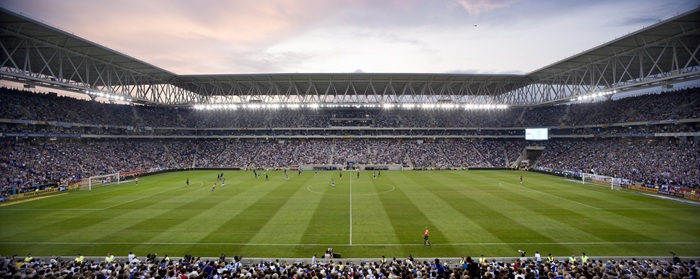
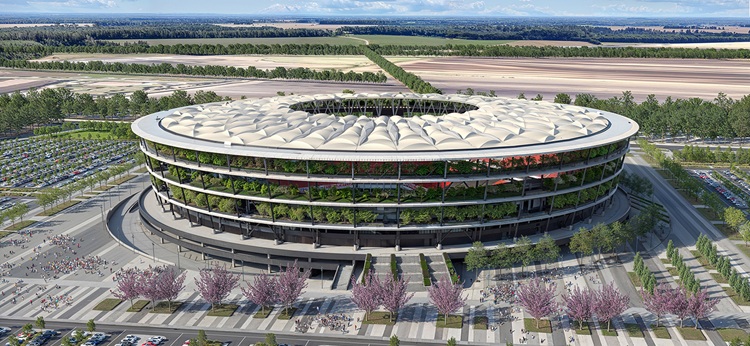
One of our defining traits is that every stadium is designed for its culture and its people. No two of our 60+ stadium projects look the same. We try to avoid stadium designs that feel generic rather than embedded in their city. We search for symbolism and local identity. At Espanyol, we used coloured glass inspired by cathedral windows, forming a barcode pattern that spells the club’s name. In Belgrade, we integrated surrounding forest trees into the design. We call this approach “glocalisation” – bringing global expertise with deep local references.
How important is a stadium’s position within its urban environment?
It’s a central consideration. The debate between urban and suburban stadiums is ongoing, but I personally favour urban or near-urban sites that connect well with the city and transport networks. Stadiums should act as community catalysts, working not only on matchdays but throughout the week. Increasingly, we design stadiums that transform – shifting between sports, concerts and multiuse urban functions. Acoustics, roof geometry and sightlines are crucial to the fan experience.
How do you approach these elements?
The bowl is the heart of any stadium, and we innovate heavily here. We created a patented parametric design system called the Fi-factor, which evaluates sightlines, proximity, angles and overall viewing quality on a scale from 1 to 500. This system lets us: compare bowls across the world, identify areas for improvement and demonstrate design excellence to clients. No other practice has this tool, and it has become a key part of our design strategy.
How has the concept of fan experience evolved in your recent projects?
Modern spectators want immersion. We now introduce features such as views into the players’ tunnel, VIP seating directly behind the benches and touchline-level sky boxes. These elements simply weren’t in demand before. We also collaborate with operational consultants like Legends to develop commercial opportunities and transform existing stadiums through “microsurgery” or “macrosurgery”. This is especially relevant for the 2030 World Cup, where many of the host stadiums are being transformed rather than built from scratch. Stadiums today must be flexible for future trends.
How do you design with adaptability in mind?
Responsible design requires leaving doors open. You must create spaces that can evolve over 20–30 years. The bowl shape may stay similar, but the spaces behind it need flexibility. Our analysis found the Colosseum would score just over 400 on the Fi-factor – showing how little core bowl design has changed in 2,000 years. The Nou Mestalla stadium, despite being conceived years ago, remains cutting edge because we designed it with future adaptability in mind.
The Nou Mestalla stadium is considered one of your flagship projects. What makes its bowl unique?
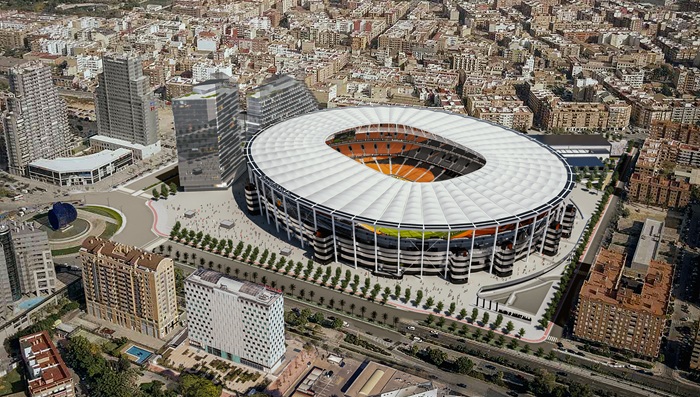
The 70,000 seat Valencia bowl incorporates distinctive ‘petals’ where the structure meets the seating bowl, creating a unique television identity. It also includes a flexible platform allowing conversion into an Olympic standard athletics venue as a request from the city. Designed originally in 2008, the bowl still scores over 470 on the Fi-factor, placing it among some of the best stadiums in the world. Sustainability has become a central requirement.
How do you integrate environmental performance into stadium design?
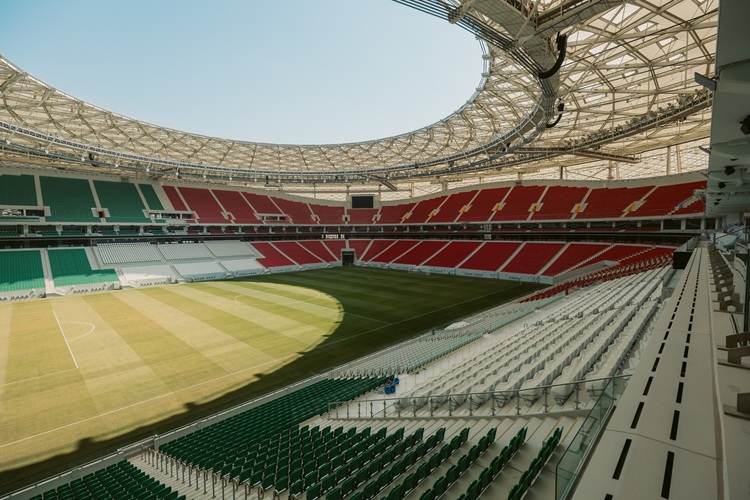
Sustainability is in our DNA. Spanish architecture has long traditions of passive cooling and shading, and we apply that knowledge globally. For example, Valencia features: Cross ventilation strategies, a light, translucent roof, petal geometry that supports airflow, solar panels, rainwater collection and LED energy efficient systems. But we also champion “blue architecture” which is sustainability for people. This focuses on user comfort, emotional experience, culture, inclusivity and human scale. We also design for cultural expression, a good example of that is Qatar’s Al Thumama Stadium, which we designed for the FIFA World Cup 2022, and was inspired by the traditional gahfiya cap. We also consider how stadiums adapt to men’s and women’s football – even down to facilities ratios.
What are the biggest challenges you face when delivering stadium projects?
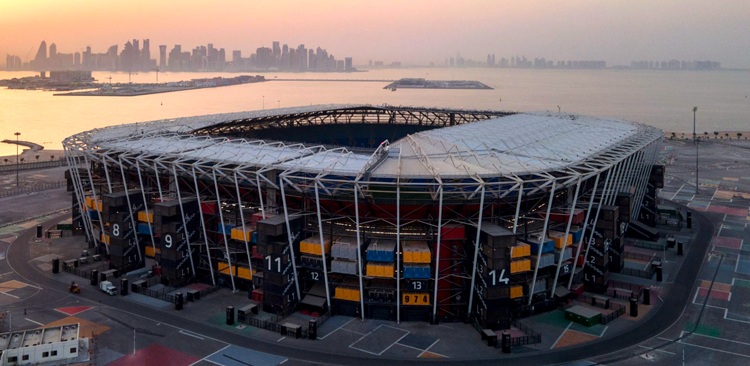
A major issue in the industry is that the final built stadium often doesn’t match the winning competition design. We take pride in delivering exactly what we promised. We also ensure projects remain within budget, something many practices struggle with. The Serbian National Stadium in Belgrade, for example, was completed within targeted costs and Valencia is currently within budget. Some of our best stadiums are the most cost-restrained and constraints force creativity. By being more inventive and more innovative we can create something like the fully demountable Stadium 974 in Qatar. That was possibly the most innovative stadium in the FIFA World Cup 2022 which made use of shipping containers; it was also the most economic by a long way.
If you had an unlimited budget, what would your dream project be?
I’ve been fortunate to design many spectacular projects already, and innovation doesn’t always require huge budgets. But if dreams are allowed, I love water so I’d love to design a stadium that could navigate around the world, travelling to every World Cup for the next 20 years.
To find out more, visit: www.fenwickiribarren.com